How to Select Drill Pipe for Directional and Offshore Drilling Operations
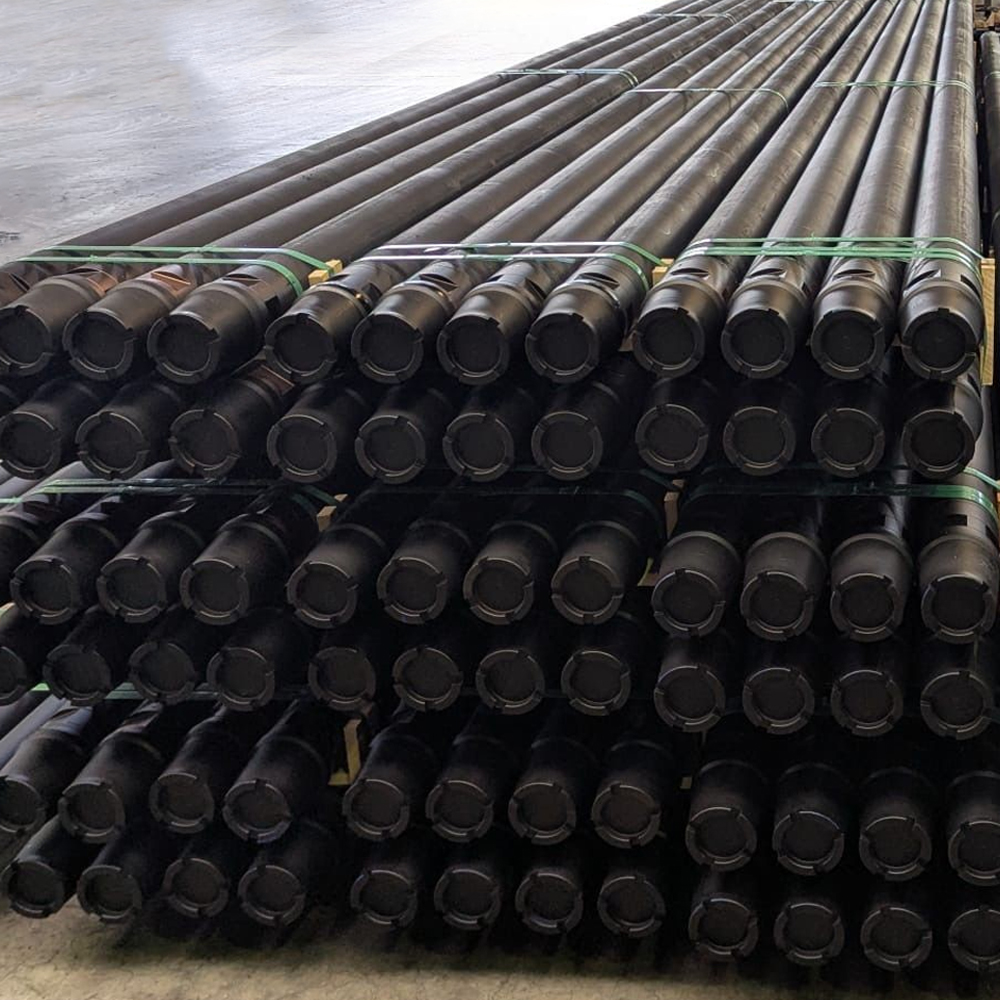
Drill pipe is an important part of oil and gas drilling
operations. It connects the surface drilling equipment to the bottom hole
assembly (BHA), transfers rotation, and allows drilling fluid to flow through
the drill string. Choosing the right drill pipe helps support efficient
drilling and reduces the risk of equipment problems.
Directional and offshore drilling can place different
demands on drill pipe. Factors such as pipe grade, size, torque capacity,
fatigue resistance, and connection type should be considered before selecting
equipment.
For drilling contractors and oilfield operators in Saudi
Arabia, the UAE, Qatar, Oman, and
1. Consider the Drilling Conditions Kuwait, understanding
these factors can help with equipment selection and project planning.
Before selecting drill pipe, consider the well depth,
drilling direction, expected loads, and rig requirements. Directional wells may
involve increased bending and friction, while offshore operations require
careful planning for equipment handling, inspection, and delivery.
The selected drill pipe should match the drilling
programme and the operating limits of the complete drill string.
2. Choose the Right Drill Pipe Grade and Size
Drill pipe is available in different grades, sizes, and
weights. Common API drill pipe grades include E-75, X-95, G-105, and S-135.
Each grade has specific mechanical properties, so the right option should be
selected according to the expected loads and project requirements.
Before purchasing, buyers should check:
- Pipe
outside diameter and wall thickness
- Required
weight and length
- Tensile
and torque requirements
- Compatibility
with the bottom hole assembly
Selecting a pipe based only on its size or strength grade
may overlook other important operating requirements.
3. Check Tool Joint Connections
Tool joints connect individual drill pipe sections and
transfer loads through the drill string. The connection type must match the
existing drilling equipment and meet the project's operating requirements.
Before purchasing, confirm thread compatibility and
inspect the condition of the connections. Following the correct make-up
procedures and regular inspection practices can help reduce connection-related
problems.
4. Understand Directional and Offshore Challenges
During directional drilling, repeated bending and
rotation can contribute to fatigue, while contact with the wellbore may cause
wear. The drill pipe must be suitable for the planned well trajectory and
expected operating loads.
Offshore drilling also requires attention to equipment
compatibility, corrosion risks, inspection records, and delivery planning. For
projects in the Arabian Gulf, including offshore operations near Saudi Arabia,
the UAE, and Qatar, drill pipe selection should be based on the actual well
design and operating environment.
5. Follow Inspection and Maintenance Practices
Regular inspection helps identify wear, thread damage,
and other conditions that may affect drill pipe performance. Buyers should
review relevant material documentation and inspection reports, especially when
purchasing used drill pipe.
API Specification 5DP covers technical requirements for
steel drill pipe used in the oil and gas industry. Buyers should verify the
applicable specifications and ensure that any claims of compliance are
supported by appropriate documentation.
Proper storage and transportation are equally important.
Plastic thread protectors help protect pipe connections from dirt, moisture,
and impact damage before use.
6. Consider Related Oilfield Equipment
Drilling projects may require additional equipment
depending on the drilling programme and the configuration of the drill string.
- Heavy
Weight Drill Pipe: Used in the drill string where additional weight and
specific mechanical characteristics are required.
- Drill Collars: Heavy tubular components in the bottom hole assembly that provide
weight on the drill bit.
- Lift Subs: Used to provide a suitable lifting connection for compatible
drilling equipment.
- Crossover
Subs: Connect equipment with different thread types or connection sizes.
- Plastic
Thread Protectors: Help protect pipe threads during handling, storage, and
transportation.
- Pup
Joints: Short pipe sections used to adjust the length of a compatible pipe
string or assembly.
These products have different functions, so their
specifications and compatibility should be checked before use.
7. Choose a Reliable Oilfield Equipment Supplier
When purchasing oilfield equipment, buyers should
consider product specifications, quality documentation, inspection procedures,
and delivery arrangements. Clear communication about sizes, grades,
connections, and project requirements helps buyers assess whether the equipment
is suitable for their operations.
DIC Oil Tools offers drill pipe, heavy weight drill pipe,
lift subs, crossover subs, and other oilfield equipment. Customers can contact
the team to discuss product specifications and request a quote for their
project.
Conclusion
Selecting drill pipe for directional and offshore
drilling involves more than choosing a size or grade. Pipe strength, fatigue
resistance, tool joint compatibility, operating conditions, and inspection
requirements all play an important role.
Related equipment, including drill collars, lift subs,
crossover subs, and plastic thread protectors, may also be required for
drilling and pipe-handling applications.
By checking specifications, following proper inspection
practices, and choosing equipment suited to the project, drilling teams can
make better-informed purchasing decisions for oil and gas operations in the
Middle East.
Frequently Asked Questions (FAQs)
1. What factors should be considered when selecting drill
pipe?
Important factors include pipe size, grade, wall
thickness, torque capacity, fatigue resistance, tool joint connection, and
drilling conditions.
2. Which drill pipe grades are commonly used?
Common API drill pipe grades include E-75, X-95, G-105,
and S-135. The appropriate grade depends on the drilling programme and required
mechanical properties.
3. Why is drill pipe selection important in directional
drilling?
Directional drilling can expose drill pipe to repeated
bending, friction, and rotation. Suitable pipe selection helps address these
operating demands.
4. What is the difference between a drill collar and a
drill pipe?
Drill pipe transfers rotation and drilling fluid through
the drill string. Drill collars are heavier tubular components in the bottom
hole assembly that provide weight on the drill bit.
5. Why are plastic thread protectors used?
Plastic thread protectors help protect pipe threads from
dirt, moisture, and impact during storage, handling, and transportation.
6. What should buyers check before purchasing drill pipe?
Buyers should confirm the required dimensions, grade,
connection type, applicable specifications, inspection documentation, and
compatibility with the intended application.


Comments
Post a Comment